Discover Non Surgical Lifting in Korea: Book Your Skin Tightening Makeover Now
Non surgical lifting Korea has redefined facial rejuvenation by achieving measurable skin-tightening results in under an hour, without a single incision. These procedures use focused ultrasound or radiofrequency energy to stimulate collagen production deep within the dermal layers, gradually lifting sagging tissue over two to three months. The primary benefit is a natural, sculpted contour with zero downtime, allowing patients to resume daily activities immediately after a session. For optimal outcomes, a typical protocol involves two to three treatments spaced four weeks apart, followed by maintenance sessions every six months.
What Exactly Is a Non-Surgical Face Lift and How Does It Differ from Surgery?
A non-surgical face lift in Korea is a procedure-based skin and fat repositioning treatment using threads, high-intensity focused ultrasound (HIFU), or radiofrequency to lift sagging tissue—without cutting or removing skin. Unlike a surgical lift, which repositions muscles and excises excess skin under general anesthesia, this method relies on collagen contraction and thread anchoring to create an immediate lifting effect. The key difference is longevity: surgery offers 10–15 years of structural correction, while a non-surgical lift typically lasts 12–24 months, depending on thread type and skin elasticity. In Korea, clinics specialize in ultra-precise layering—placing threads at the SMAS level to mimic surgical tension. However, results are subtle and gradual; it corrects mild-to-moderate sagging, not severe jowling or deep nasolabial folds. For volume loss, Korean practitioners often combine lifts with filler, yet the lift itself does not remove fat or tighten loose muscle, which remains surgery’s exclusive advantage.
The Core Technologies Behind Modern Lifting Treatments in Korea
The core technologies behind modern lifting treatments in Korea center on bio-stimulatory threads and energy-based remodeling. PDO and PLLA threads are inserted into the SMAS and subcutaneous fat, triggering collagenesis and mechanical suspension, while focused ultrasound (HIFU) and monopolar radiofrequency (RF) deliver controlled thermal coagulation at specific dermal and fascial depths. These devices use real-time impedance monitoring to adjust energy delivery, targeting the retaining ligaments without ablating surface tissue. This layered approach prioritizes volumetric tissue remodeling over skin tightening alone, allowing practitioners to address sagging and deflation simultaneously in a single protocol.
Korean lifting technology relies on thread-based mechanical support and thermal collagen contraction, applied at precise anatomical planes to achieve structural lift without surgery.
Why Korean Clinics Lead in Advanced Skin-Tightening Procedures
Korean clinics lead in advanced skin-tightening because they treat it as a precision craft, not a one-size-fits-all add-on. Instead of blasting one device, they layer protocols—shockwave therapy for deep collagen, then radiofrequency for surface firmness—often in a single visit. Their tech adoption is faster, so you’ll find newer handpieces like focused ultrasound with real-time skin-thickness mapping, which reduces burn risk. Doctors here also adjust settings by facial zone (jawline vs. cheeks), something many Western clinics skip. This obsession with layered tightening protocols means results look natural—tighter, but not pulled—and downtime stays minimal. For a non-surgical lift, that’s the difference between vague glow and actual structural change.
Which Lifting Method Should You Choose for Your Skin Type and Age?
In Seoul’s clinics, your skin’s story dictates the tool, not trends. For those in their twenties with oily, thick skin, a non surgical lifting Korea approach using ultrasound targets deep SMAS layers, tightening without adding volume that can blur youthful contours. But if you’re over forty with thin, dry dermis, radiofrequency microneedling is gentler, boosting collagen while resurfacing age spots—yet you must ask for lower energy settings to avoid fat loss. For combination skin in your thirties, a hybrid of HIFU and thread lifting offers immediate snatching, but threads dissolve faster in active, acne-prone skin, so a practitioner might swap them for focused ultrasound alone. Always match the heat depth to your laxity, not your calendar. Your skin’s oiliness, elasticity, and barrier strength in Korea’s humid climate decide whether you walk out with a soft lift or a sculpted one.
Comparing Ultrasound, RF, and Thread Lifts for Different Sagging Levels
For mild sagging, particularly in the lower cheeks or jowls, ultrasound and RF lifts for different sagging levels primarily tighten the superficial musculoaponeurotic system (SMAS) layer, but thread lifts offer immediate mechanical suspension. Ultrasound penetrates deeper than RF, making it more effective for moderate tissue descent, while RF suits thinner skin with early laxity. Threads (PDO or PLLA) provide structural lifting for localized, advanced sagging in the midface, though they do not stimulate collagen as broadly as energy-based devices. Combining a low-energy RF session with absorbable threads often yields the most balanced result for patients whose sagging is uneven across facial zones.
**Q: Which method should you choose when sagging is visible only around the nasolabial folds?**
A: Ultrasound targets the deep SMAS to lift the fold region, whereas a thread lift physically repositions the fat pad—choose threads for immediate correction, ultrasound for gradual tightening without downtime.
How to Match Your Skin Thickness and Elasticity to the Right Device
To match your skin thickness and elasticity to the right device, first palpate your cheek and jawline—thin, loose skin responds best to focused ultrasound, which drives heat deep into the SMAS layer without taxing surface tissue, while thicker, resilient skin tolerates monopolar radiofrequency for volumetric collagen contraction. For moderate elasticity loss with normal thickness, combine microfocused ultrasound on the mid-face with fractionated RF for the submental area, adjusting energy levels downward if you feel pinching or if your skin tents when pulled. Crucially, elasticity dictates depth over intensity: low-elasticity skin requires shallower, multi-pass settings to avoid fat atrophy, whereas high-elasticity, thick skin allows higher fluence for structural tightening. Always test a small pre-auricular zone, waiting five minutes to assess immediate laxity response before committing to a full treatment map.
What Does the Procedure Actually Feel Like and How Long Does It Take?
In Korea, a non-surgical lifting session typically takes 30 to 60 minutes, depending on the device and treated areas. You’ll first feel a cool gel on the skin, then a warming sensation as the energy penetrates deep layers; for stronger tools like focused ultrasound, you may feel brief, sharp pinpricks along the jawline, which most patients rate as tolerable. Radiofrequency variants feel like a hot stone massage, followed by a cold tip to soothe the skin. There is no downtime, though you might experience mild redness or tingling for a few hours. The procedure itself is often described as “uncomfortable but not painful,” with practitioners offering numbing cream for sensitive zones. You can return to normal activities immediately, with subtle tightening noticeable right away and full results building over 2–3 months.

Step-by-Step Breakdown of a Typical Lifting Session in Seoul
A typical non-surgical lifting session in Seoul begins with a 15-minute numbing cream application, followed by a physician marking treatment zones on your face. The device passes—often using HIFU or RF—take 20–30 minutes, with each pulse feeling like a short, hot snap against the skin. A cooling pad is applied immediately after, lasting five minutes, before a soothing mask for ten. Total chair time rarely exceeds 60 minutes. Most clinics schedule a brief 10-minute consultation beforehand to map your pain tolerance and target depth. You leave with redness that fades within hours. Step-by-step breakdown of a typical lifting session in Seoul confirms no downtime, though mild swelling peaks at day two.
Q: How long does the actual device work take in a Seoul session?
A: The core device application runs 20–30 minutes, excluding prep and cooling, so you are typically out of the clinic within one hour.

Managing Discomfort: Anesthesia Options and Downtime Expectations
In Korea, managing discomfort during a non-surgical lift is highly systematized, with anesthetic options tailored to each device. Most clinics apply a thick numbing cream for 30–40 minutes before procedures like HIFU or thread lifts, while RF microneedling often adds local infiltration anesthesia or nerve blocks for deeper penetration. You can expect a tolerable, prickling sensation—not sharp pain—during the session. Downtime expectations for non-surgical lifts in Korea are minimal: mild redness and pinpoint swelling resolve within 24–48 hours, and most patients resume makeup and social activities the same day. Bruising from thread lifts may last 3–5 days, but cold packs and oral arnica are routinely provided. Unlike surgical lifts, you won’t face incisions or compression garments, only temporary tenderness along the treatment lines.
What Results Can You Realistically See, and When Do They Appear?
With non-surgical lifting in Korea, you’ll see the first subtle glow and slight skin-tightening right after the session, but that’s just initial puffiness. The real lift—that visible jawline definition and cheekbone perk—kicks in around **3 to 4 weeks**, as collagen remodeling ramps up. Most people hit their peak result between **2 and 3 months**, when the skin feels genuinely firmer and contours look sharper. That result isn’t a facelift-level change; expect a moderate, natural “you but rested” improvement, roughly 20–30% tightening. By month 4, the effect plateaus and slowly fades over 6–12 months depending on your skin’s aging speed.
Don’t judge the outcome in week one—your true lifting result only appears after the collagen response matures, usually around week 6.
Touch-ups at 6–8 months help maintain that height without starting over.
Immediate Tightening vs. Collagen-Building Effects Over 3–6 Months
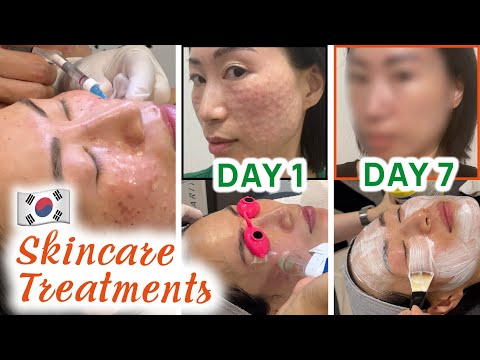
In Korean non-surgical lifting, the timeline splits into two distinct phases. You will notice immediate tightening effects from tissue contraction and swelling within the first 24–48 hours, but this is temporary and partially masks true results. The real structural change begins as collagen-building effects ramp up over 3–6 months, replacing the initial firmness with durable skin laxity correction. During this period, fibroblast activity peaks, and new elastin fibers form, meaning your lifting outcome improves gradually rather than staying static. Don’t judge the final result early—the initial tightening fades, while collagen-driven support becomes your long-term baseline.
- Immediate tightening is mostly edema and thermal contraction, lasting 1–2 weeks.
- Collagen remodeling starts around week 3 and visibly peaks at months 3–4.
- By month 6, skin thickness and elasticity gains are fully locked in.
- Expect a “dip” in tightness around week 2–3 before collagen rebuild lifts you again.
How Many Sessions You Need and How Long Results Typically Last
For most non-surgical lifting treatments in Korea, plan on **2 to 3 sessions spaced about four weeks apart** to catch every layer of collagen as it kicks in. You’ll notice a subtle lift after the first visit, but the real payoff lands around the two-month mark. Results typically last anywhere from 6 to 12 months, depending on your skin’s aging speed and the device used—HIFU tends to hold closer to a year, while RF options fade sooner. After that, your skin drops back gradually, so a single touch-up session every 8–10 months keeps the lift steady without starting from zero again.
How to Prepare for a Lifting Treatment and What to Avoid Afterwards
Before your non-surgical lifting in Korea, stop retinoids, acids, and exfoliants for at least five days, and avoid alcohol and anti-inflammatory medications like ibuprofen for 48 hours to reduce bruising. Arrive with clean, makeup-free skin, and hydrate well for 24 hours prior, as plump tissues respond better to energy-based devices. If you take blood thinners, consult your clinic early—Korean protocols often pause them only under a doctor’s guidance. Afterward, skip saunas, steam rooms, and intense workouts for one week, as heat and sweating can irritate treated tissue. Avoid heavy facial massage, sleeping face-down, or wearing tight masks that press on the lifted zones for three days. Use only the provided soothing cream and SPF 50+ daily; while Korean clinics are fast to schedule, your final result truly depends on how gently you treat your face in the first seven days. No ice packs unless your practitioner explicitly says so, since some lifting methods rely on preserved heat for collagen remodeling.
Pre-Treatment Checklist: Skincare, Medications, and Lifestyle Changes
Before your non-surgical lifting session in Korea, your pre-treatment checklist for skincare, medications, and lifestyle changes begins two weeks prior. Stop retinoids, exfoliating acids, and vitamin C serums to prevent skin sensitization, and pause any blood-thinning medications like aspirin or ibuprofen after consulting your doctor. Avoid alcohol, smoking, and excessive sun exposure for at least one week, as these impair skin resilience and increase bruising risk. Hydrate well and eat a light meal beforehand, but do not apply heavy makeup on the day of treatment. Inform your clinician about all topical prescriptions, including acne creams, since Korean protocols often adjust energy settings based on your skin barrier condition.
Q: Can I take a painkiller right before the lifting appointment?
A: No—skip NSAIDs like ibuprofen or naproxen for 7–10 days prior, as they thin the blood and heighten the chance of swelling or bruising at the injection or ultrasound points. Opt for acetaminophen only if absolutely necessary, and always confirm with your clinic.
The Do’s and Don’ts of Aftercare to Maximize Your Lift Results
To maximize your lift results, adhere to a strict aftercare protocol beginning immediately post-treatment. Effective aftercare for non-surgical lifting in Korea requires you to sleep on your back with your head elevated for the first three nights, minimizing pressure on treated tissues. Avoid intense facial expressions, vigorous exercise, and saunas for at least two weeks, as heat and movement can compromise the lift. Do apply cold compresses intermittently for the first day to reduce swelling without pressing firmly. Refrain from alcohol, smoking, and blood-thinning supplements for one week. Likewise, do not massage or use vibrating skincare devices on the area until cleared by your clinician, ensuring the lifted structure sets properly.

How Much Does a Non-Invasive Lift Cost in Korea and How Do You Pick a Clinic?
Walking into a Gangnam clinic, you’ll find that a non-invasive lift in Korea typically lands between ₩300,000 and ₩1,500,000 per session, depending on whether you choose HIFU, Shurink, or a combination with RF—not the vague “consultation-only” quotes you see online. To pick a clinic, don’t chase the cheapest billboard; instead, book a face-to-face consult where the doctor maps your sagging points on a tablet and shows you before-and-after photos of *Korean* skin types, not foreign models. Ask how many rounds the machine has run that exact week—busy clinics mean seasoned operators. Most importantly, request a patch test on your jawline before committing; a reputable place will insist on it, and you’ll walk out knowing exactly what your wallet and cheekbones are in for.

Breaking Down Price Ranges for Different Devices and Package Deals
In Korea, non-surgical lifting prices vary sharply by device, so breaking down the ranges helps you budget smartly. Basic HIFU (like Ultraformer) typically runs ₩150,000–₩300,000 per session, while focused ultrasound (Shurink) lands at ₩200,000–₩400,000, depending on the cartridge count. RF-based options (Thermage, Volnewmer) sit higher at ₩500,000–₩900,000 because they target deeper layers. For package deals, clinics often bundle three sessions—for example, “HIFU + RF + thread” combos start around ₩600,000, saving up to 30% versus single purchases. When comparing, ask exactly what’s included:
- Number of shots or cartridges
- Whether numbing cream and aftercare masks are free
- If a follow-up touch-up within 2 weeks is baked into the price
Always check if the package deal Sofwave in seoul expires—some force usage within 6 months, which may not fit your schedule.
Red Flags to Watch For and Questions to Ask During Your Consultation
During your consultation for a non-invasive lift in Korea, watch for red flags like a clinic that pressures you to pay before a physical assessment, or that cannot clearly name the specific device and settings they plan to use. Avoid practitioners who dismiss your medical history or offer vague answers about expected downtime and results. Ask pointed questions: “Which ultrasound or RF device will be used, and how many sessions does my skin type require?” Also, request to see before-and-after photos of Korean patients with similar skin thickness, and ask who will perform the procedure—a doctor or a technician. A reliable clinic should encourage you to ask about potential side effects and realistic outcome timelines without hesitation.